
Bravery according to Merriam Webster, means the quality of having mental strength to face danger, fear or difficulty. Bravery is one of the twenty-four character strengths, the positive parts of our personality that impact how we think, feel and behave.
How do you recognise bravery? To be brave is to face your fears. It involves valuing a principle or goal and acting upon it. An act of bravery involves having a conviction and taking a risk to act upon it.
How does one become brave?
You can be trained formally to be brave – Soldiers, detectives, spies, police have special training to overcome their fear to carry out their duties. Their training exposes them to situations which help them to carry out their duties in dangerous situations.
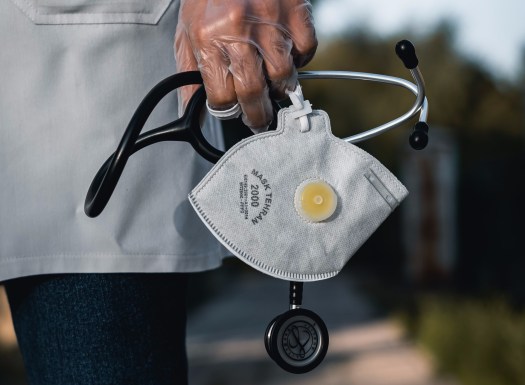
Life experiences teaches you to be brave – Today, doctors, nurses, hospital staff, teachers, providers of essential goods and services, are taking several risks to be able to function effectively and do their duty. They don’t have the training to face what they are facing today – but experiences teaches you how to cope and also face your fear in situations like these.
Having a conviction so strong that it prompts you to take action – for example running into a building on fire to save unknown people or speaking up for someone risking losing your popularity. When you believe in a social cause strongly, it drives you to take action even if goes against the popular vote.
How can we consciously make an effort to be brave? Bravery has three elements – a conviction, taking action and taking a risk. All these three are important for personal development of our character.
Bravery is doing something which everyone is afraid to – like pursuing a different career or speaking up for someone or something that everyone is scared of and then doing what feels true and authentic to you even if that is a risk of losing friends or being called names or being trolled. Bravery could mean standing up in the crowd or sitting down in silence. It could mean fighting or accepting defeat gracefully.
So are you sitting at home wrapped in fear, worried sick about your survival and wishing all this goes away and you can be back to your old ways and social norms. Or are you concerned about people more vulnerable than you and taking action with an element of risk and bring a wider perspective to
Bravery is not foolhardiness or rash or recklessness. It is taking an action mostly for the benefit of others due to a conviction within that prompts you to take action even when there is a risk or losing something. For example walking around without a mask in a crowded place or not following the practice of washing hands is not a sign of bravery. It is foolish.
But helping an old neighbour by shopping essentials is a sign of bravery. Helping neighbours who have been tested positive to recover by expressing compassion at the same time staying safe is a sign of bravery. A pizza delivery person delivering food wearing full gear and bring you hot food on a rainy day is brave. A teacher who has no idea of teaching online exposes her ignorance in front of students so that she can do her duty. It is a sign of bravery. Bravery involves conviction in ones beliefs, action and an element of risk.
Reflect on how you’ve used bravery in these times of uncertainty. Have you taken action because you believe in something – even if it meant taking a risk – physically or in the form of criticism or ridicule?
Click on the link below to do the guided meditation for 11 minutes.
 Bell The Mind