
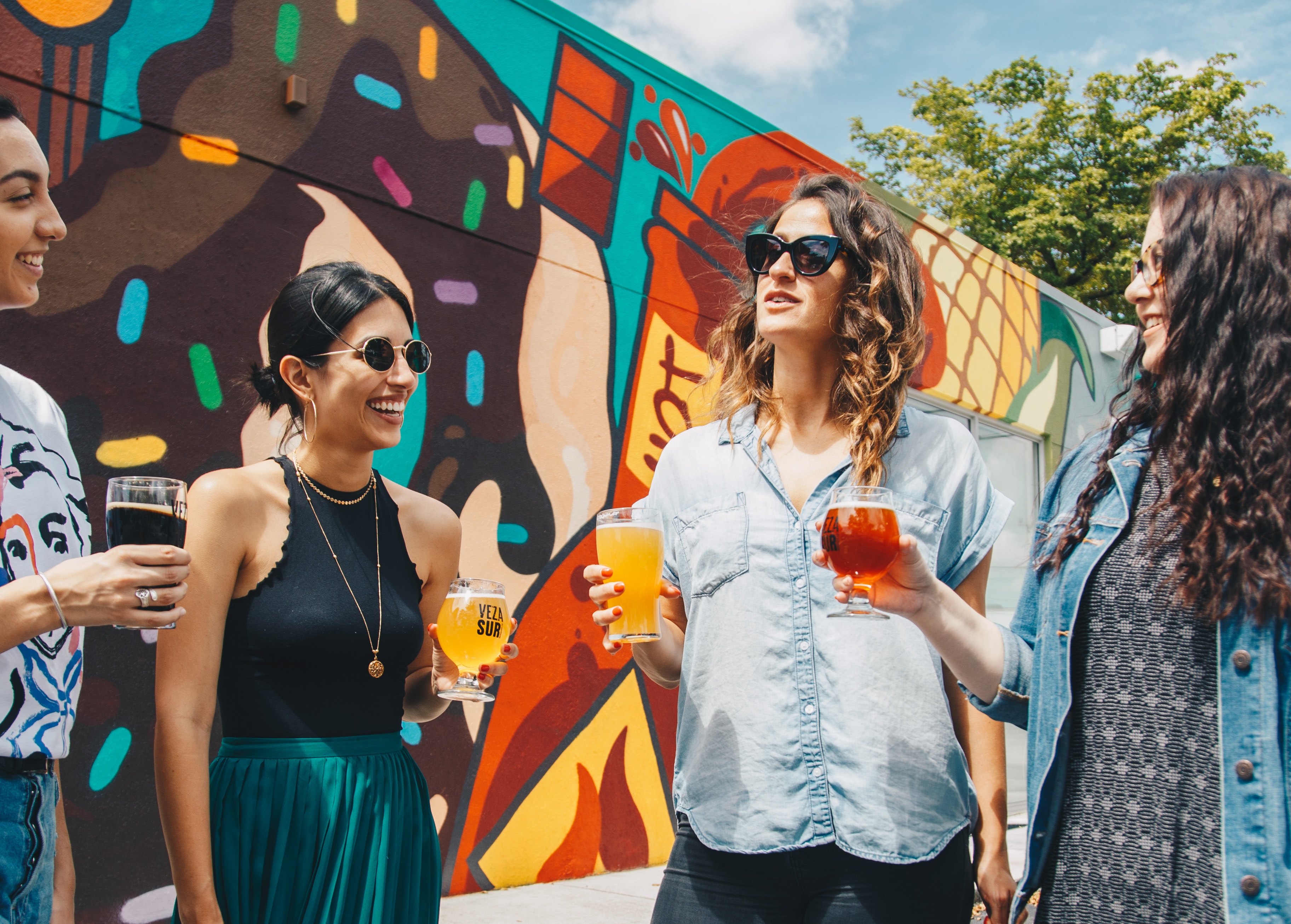
Alcohol and mindfulness? Is that possible? Are drinking alcohol and mindfulness compatible? If mindfulness is about being aware of your thoughts, feelings and actions – alcohol consumption is the opposite! It is all about taking you away from your thoughts feelings and actions and making you unconscious.
Alcohol seems to be a way to get away from pressure and stress. But in reality it is a form of suppressing negative thoughts and fuelling happiness and over-excitement.
But alcohol has become a social thing today. The younger generation feels lost and unsocial if they don’t join in the drinking brigade. The peer group forces one to try a drink if one hasn’t already and to consume more if one has.
So if getting the youth to avoid drinking altogether is becoming seemingly impossible, can we at least educate them to drink responsibly and I daresay, mindfully? Isn’t it counterintuitive?
Okay, I agree you cannot be on your fourth whiskey-on-the-rocks and be mindful at the same time. At least, it is very difficult to do it. And even if you managed it – it beats the very purpose of wanting to let your hair down in the first place.
It is good idea to note down a few things about your drinking in a diary. It could be part of your daily diary if you already have one. But having one and being conscious about the whole process makes sure that you are the one consuming the drinks and it is not the drinks that are consuming you.
So what would you record in your drinks diary? Make sure you also include events which had no alcohol. Say you had juice, water, mocktails or sodas.
- The date, time, place, event, reason for event
- The reason for choosing an alcoholic beverage or a non-alcoholic one: to look cool or to drive back or any other.
- The drink you had of course! – gin n tonic, beer, orange juice, mixed drinks, water.
- The number of drinks you had: two whiskeys, three gin n tonic, one beer and one cocktail, whatever.
- The time you had the food: had dinner before drinking, along with your drinks, snacked while drinking, other.
- The type of food you had: oily snacks, protein rich foods, a full meal.
- The mood before you started: excited, apprehensive, confident, nervous, other.
- The mood while you were leaving the party: happily drunk, miserable, sober, don’t remember, whatever.
- Your physical body – bad stomach, headache, great feeling.
- Your emotional feeling: felt like crying, laughing and making fun, balanced, felt like breaking things and painting walls, angry and abusive.
- Your rational thoughts? your thoughts, you thought you had a good time, or thought this is not to be repeated, whatever.
- The next day. hungover, happy, feel like repeating the whole thing again, regret, other
Maybe these are too many things and it may seem easier to keep these in mind and not really jot them down. Maybe it is easier to reflect on them than write them. But when you keep a diary like this – after about 25 – 30 entries – you might see patterns emerging about what brings out your best and what drink brings out your worst! And what are the conditions under which you and your friends remain happy and joyful.
These patterns can also show you warning signs of addiction well in advance which can be corrected with a little help and self-control. Thus, you will be in a better position to be choosy about where you drink, what you drink and drink only with people and at places that make you feel good and relaxed. And avoid drinks, places and people that cause you or others distress, leading to better drinking choices!
Practicing mindfulness by observing your thoughts for a few minutes on a daily basis helps you to be mindful in daily life outside the mat. When we are mindful, we understand what role food and drink play in our life and are able to eat and drink responsibly and avoid abusing them and treat them and ourselves with respect.
To get an idea about meditation and mindfulness, you might want to checkout the FREE Five-days Introduction to Meditation and Mindfulness here.
 Bell The Mind