

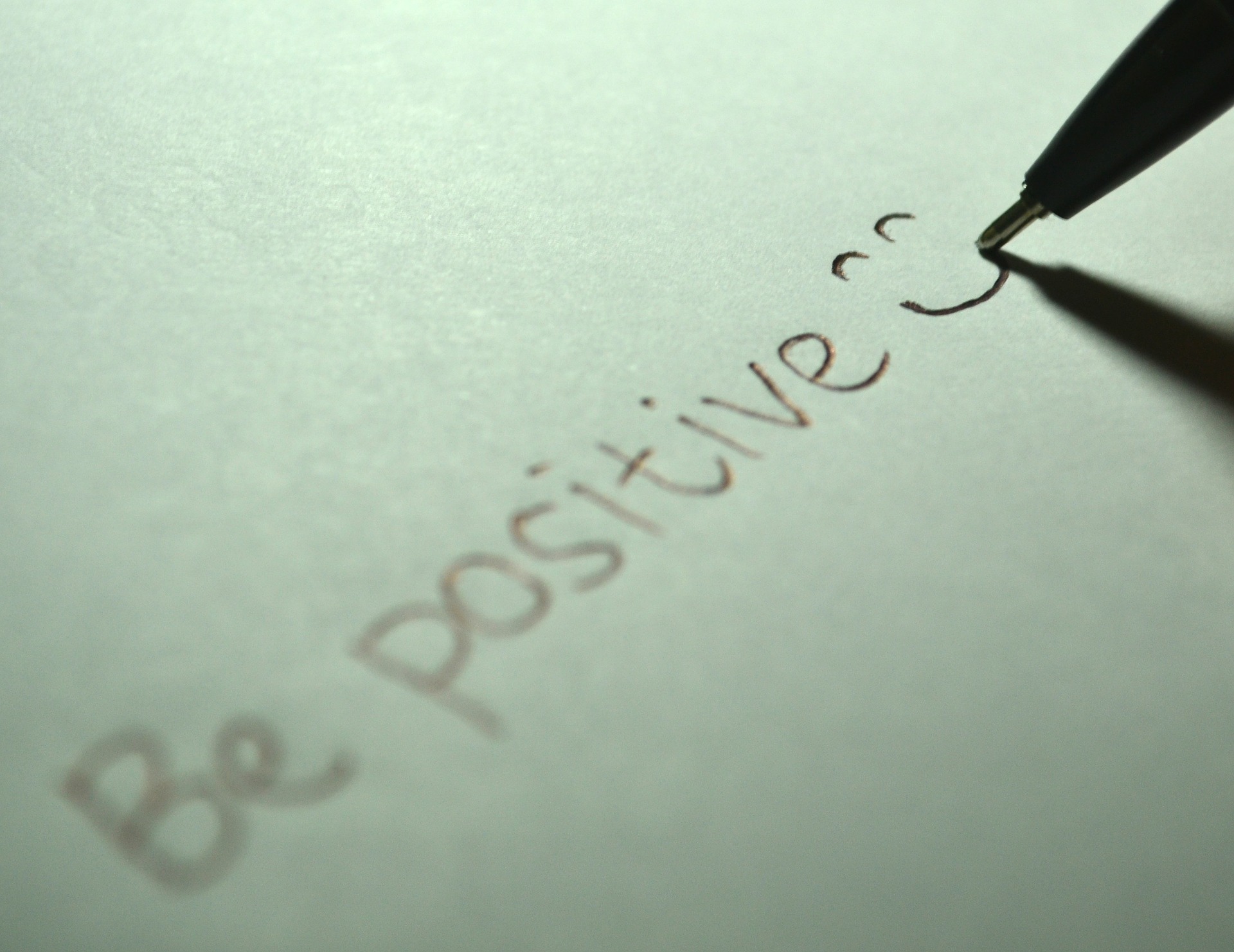
Positive thinking is a useful mental attitude that brings into the mind thoughts, words and images that are conductive to growth, expansion and success. It is a strategy that is optimistic and expects good and favourable results.
However, it is mistakenly used for situations where it might not be suited like a loss of a job or hurting yourself. Even if later on you might not feel the same intensity of pain or rejection later on, at this moment you need to acknowledge it for what it is.
So, it is better to acknowledge the emotion however difficult it is and then let it go. There is nothing positive about losing a young loved one or losing a job. In such a situation, acknowledging your grief – not by getting lost in it – but by observing the feeling for what it allows you to experience the moment. You are not in a state of denial or looking for positive outcomes of the unfortunate event but present with the emotions it has brought up and acknowledging it.
You may feel angry with life or experience sadness with what happened. So it is okay to let the emotion vent itself – but being aware of it and not getting entangled and lost in the emotion. When this happens, you are not suppressing the emotion or replacing it by pacifying yourself for the future. Instead, you are allowing the emotion to unfold as you are present with it and watching it for what it is and then letting it go.
Positive thinking does have its benefits when you experience good feelings and thoughts which need to be savoured. When you are present in the moment with whatever is happening, you go through the pain of a job loss consciously and when you get a better job than what you had later – again you consciously savour the moments of joy you experience and let it sink deeper into your being. Our mind naturally dwells on negative thoughts more than positive ones. This is called the negativity bias. You can train your brain to look for tiny things that give you joy and savour them. By practicing mindfulness, you can notice your negative thoughts and let them go. In the same way, you can consciously savour the good things and events that happen in your life when you are present with it.
Practising mindfulness by observing your thoughts for a few minutes on a daily basis helps you to be mindful in daily life situations. When we are mindful, we understand our emotions better and can be present with them and deal with them with calm and clarity.
To get an idea about meditation and mindfulness, you might want to checkout the FREE Five-days Introduction to Meditation and Mindfulness here.
 Bell The Mind