
What is awareness? Awareness is the condition of having knowledge and consciousness. It is the state of being conscious of something. Awareness of your body is being conscious of the changes that happen in your body either triggered by an external source or a sensation, emotion or even thought.
Take a moment to observe your body. Are you hungry? Thirsty? Bladder full? In pain? These factors are so efficiently taken care of by your instincts that you are on autopilot. When hungry, you reach for food. When thirsty, you have a glass of water or a drink. And you don’t stop to think when you need to use the restroom.
But are they really efficient, these systems?
Clap your hands hard a couple of times. Hold it in front of you and close your eyes. Without seeing it how can you feel them? Can you feel the tingling sensation? Can you feel the smartness of the clap on the palms? Can you feel the blood rushing? Can you feel the warmth? Now close your eyes and see if you can find sensations on your face – your eyes, your cheeks, your lips. Can you feel something? May be the blood move within?
Most of the time we are not aware of our body signals. Although the basics are taken care of, we really are not aware of what we do when we are afraid, angry or nervous. Our ancient body has decided upon some responses which it thinks will keep us safe from an approaching danger like a snake or lion – but does it work in today’s times?
Are these systems taking over our responses without us being aware of it?
Are you really hungry when you reach out for that bag of chips? Or bored? Are you really feeling in control and stylish when you reach out for the cigarette? Or stressed? Do you really believe in not speaking up in a meeting or is it a response that your body had designed to keep you ‘safe’ from conflict? Do you know what your body is telling you? Are you aware then of your body signals?
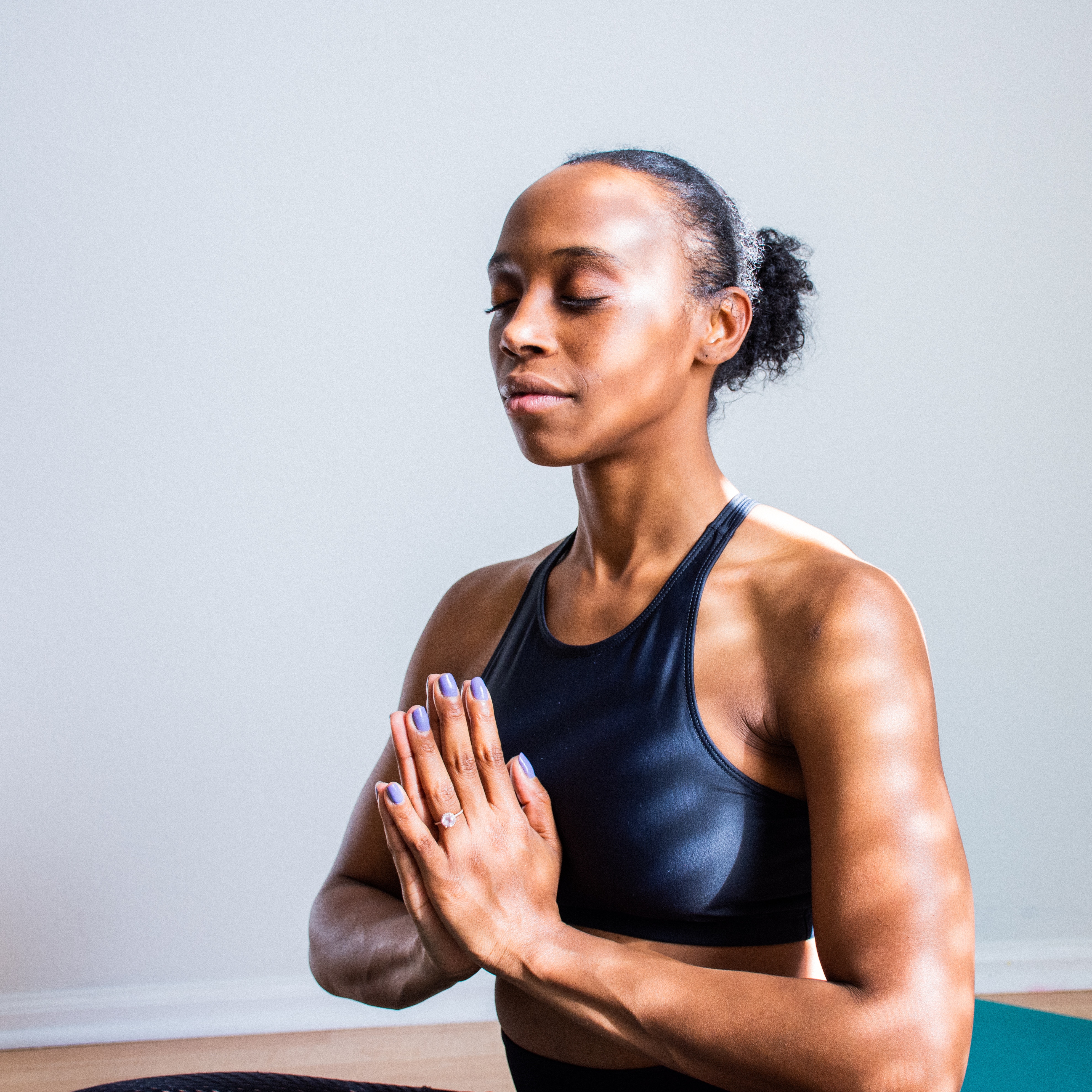
What is your body telling you? Being mindful helps you to let your body talk to you. It helps you to uncover some of the responses your body has adapted to deal with fear, anger or conflict using ancient tools designed for the jungle world – based on your fears and anxiety when you were a six or eight-year-old child.
Practising mindfulness by observing your thoughts for a few minutes on a daily basis helps you to understand the role played by your body in designing responses for certain emotions like fear. It may be as simple as knowing when you reach for comfort food or be aware of what prevents you from expressing yourself clearly. Practising mindfulness helps us to make revolutionary changes in those things that hold us back from living up to our full potential.
To get an idea about meditation and mindfulness, you might want to checkout the FREE Five-days Introduction to Meditation and Mindfulness here.
 Bell The Mind